
Family Planning and Contraception, Implants and IUDs
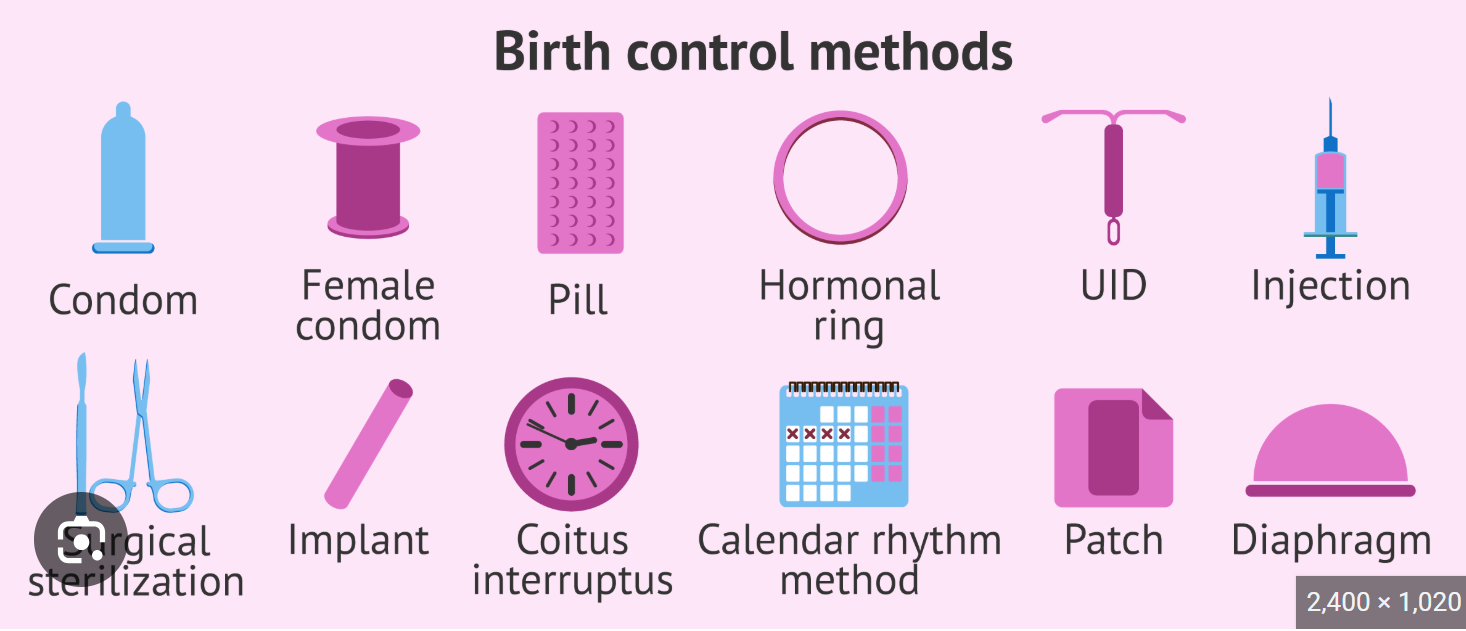
You deserve a method that is safe, effective, and fits your life. Together we can choose from reliable options, including the contraceptive implant and intrauterine devices, which are among the most effective reversible methods. Your plan can change as your needs change, and you can stop or switch at any time.
Key points
- Implants and IUDs are very effective, low-maintenance, and work for several years; you can have them removed whenever you wish to conceive or switch.
- Two main IUD types exist: copper IUD with no hormones, and a hormonal IUD that releases a small amount of progestin in the womb.
- The contraceptive implant is a small soft rod placed under the skin of the upper arm that releases progestin.
- Period changes are common, lighter or irregular with hormonal IUD or implant, heavier and crampier at first with copper IUD; these usually settle.
- Most adults can use an implant or IUD, including those who have not had children, and those who are breastfeeding.
- Condoms are still important for protection from sexually transmitted infections, even if you use an implant or IUD.
Evaluation and treatment: what to expect
- We begin with your goals, whether you want to avoid pregnancy for now, space pregnancies, or plan future conception, and any symptoms you wish to improve, such as heavy periods or cramps.
- We review medical history, medicines, migraines, blood pressure, smoking, and clot risk to ensure your method is safe.
- We explain each option, effectiveness, side effects, non-contraceptive benefits, and what to expect with your periods, then agree on a method and a backup plan.
- For IUD insertion, a pregnancy test is done if needed, the cervix is cleaned, and the device is placed through a thin tube. Most people feel cramping that eases soon after; you can pause at any time.
- For implant insertion, the upper arm is numbed, the rod is placed just under the skin through a tiny opening, and a small dressing is applied.
- After insertion, you can usually return to normal activities; mild cramping or arm tenderness is common for a day or two; pain relief can help.
- Follow-up includes checking how you feel, managing any spotting, and showing you how to feel the IUD strings if you wish. Removal is quick and can be done whenever you choose.
Emergency State?
In urgent situations, contact immediately for help.

Available 24 Hours
+123-234-1234
Get Your Free Health Consultation or Book Your Appointment Now
When to seek urgent care
Go to hospital or call emergency services now for chest pain, severe shortness of breath, sudden severe headache or vision changes, one calf that is swollen, red, or painful, severe lower belly or pelvic pain, heavy vaginal bleeding with clots, fever or foul discharge after insertion, positive pregnancy test with pain or shoulder tip pain, or if you feel acutely unwell at any time.
Action plan
Think about what matters most to you: effectiveness, period changes, convenience, privacy, and how long you want to cover.
If there is a chance of pregnancy, use condoms until you are assessed and a method is started.
Book your appointment with a doctor to review choices, check safety, arrange insertion, and set a follow-up to make sure the method feels right for you.
Keep condoms available for infection protection.
Plan for a light meal and simple pain relief on the day of insertion and arrange a ride if you prefer.
Note your period pattern for one to two months; this helps us choose a method that suits you.
FAQ - Family Planning and Contraception, Implants and IUDs
Frequently Asked Questions
These FAQs offer general information for patients. They do not replace medical advice. For urgent concerns, contact your local emergency number or visit the nearest emergency department.
Implants and IUDs are among the most effective reversible methods. Effectiveness is similar to sterilization, but fully reversible.
No. Fertility returns quickly after removal; many people conceive within the first few cycles if there are no other factors.
Hormonal IUD and implant often lead to lighter periods, occasional spotting, or no bleeding after some months. A copper IUD can cause heavier or crampier periods at first, which often settle.
You may feel cramping with an IUD and pressure with an implant. We use numbing medicine and calm breathing; most find it uncomfortable rather than painful, and it is brief.
Yes. Both implants and IUDs are suitable for many who have not had children.
Yes. Progestin-only methods and copper IUDs are safe in breastfeeding. We will advise on timing after birth.
Rarely, the IUD can be expelled. If you notice strings feel different, have severe pain, or heavy bleeding, arrange a check. Ultrasound can confirm the position.
If you wish, gently feel high in the vagina for thin strings. If you cannot feel them or feel the hard part of the device, use condoms and book a review.
Yes. Options include pills and a copper IUD, which is very effective and can then serve as ongoing contraception.
Irregular spotting is common in the first months. Some notice breast tenderness, mood changes, or acne. These often improve. If bothersome, we can help manage them or switch methods.
No. Use condoms for protection from sexually transmitted infections.
Do a pregnancy test. If positive, seek care promptly. We will check the location of the pregnancy and plan the safest next steps.
Yes. Most activities are fine the same day. Listen to your body and build up as you feel comfortable.
Implants usually last several years. Copper and hormonal IUDs last between three and ten years, depending on the type. We will record your change by date and remind you when it is due.
Yes. Hormonal IUDs often reduce heavy bleeding and cramps. We can tailor your choice to your symptoms.
You can have removal at any time. We can arrange a same-day switch to another method so you stay protected.
Most can use them safely. Some conditions need extra assessment, recent pelvic infection, unexplained bleeding, certain uterine shapes, or specific tumours. We will review your history carefully.