Surgical Gynecology and Myomectomy
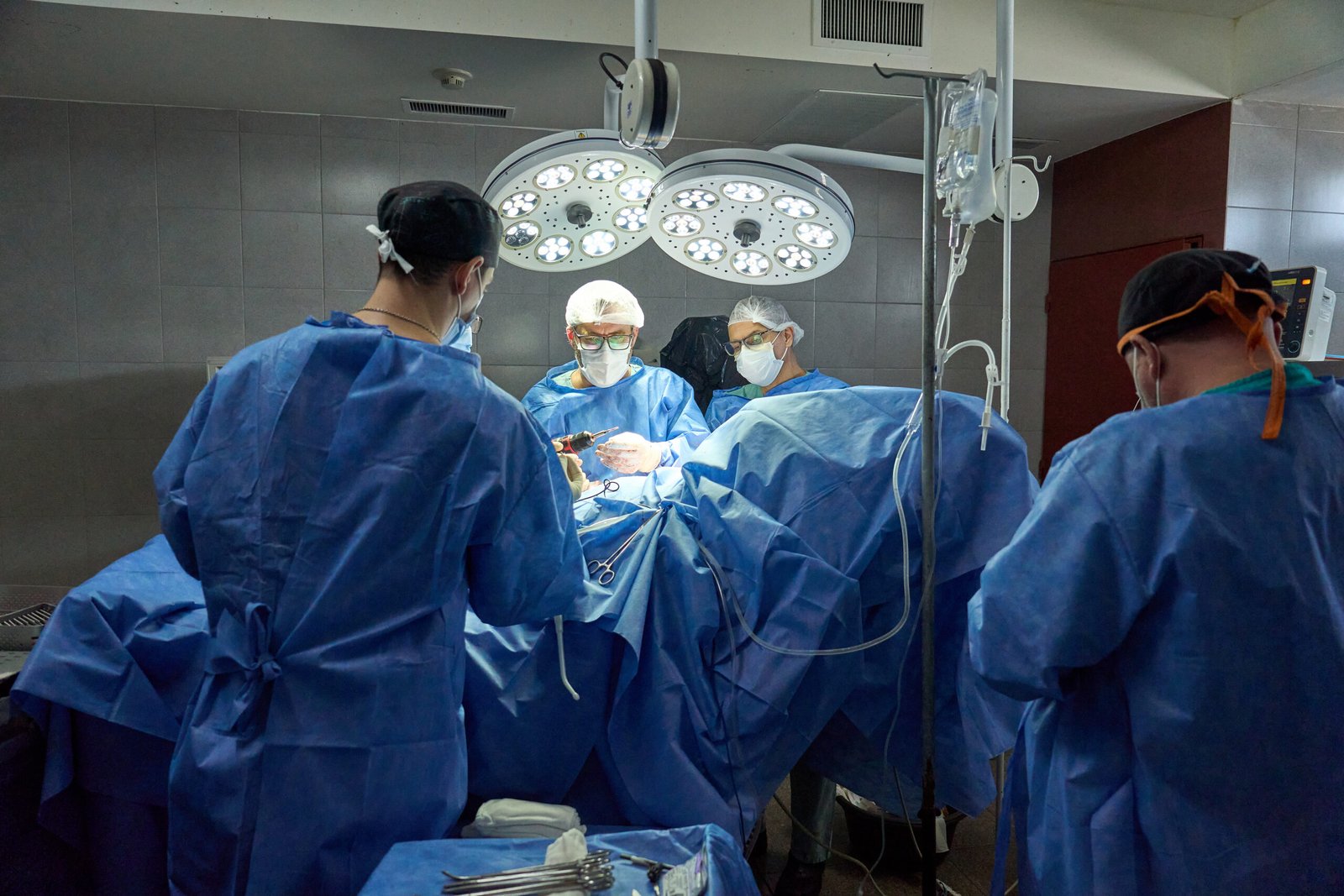
Surgical gynecology focuses on treating complex women’s health issues, and myomectomy is a key procedure for removing uterine fibroids while preserving the uterus. It is especially beneficial for women facing heavy bleeding, pelvic pain, or fertility concerns. With options like hysteroscopic, laparoscopic, or open surgery, treatment is tailored to individual needs. Modern techniques ensure safer procedures, quicker recovery, and improved quality of life.
Key points
- Myomectomy is a surgical procedure performed to remove uterine fibroids (noncancerous growths in the uterus).
- It helps women who have heavy bleeding, pelvic pain, infertility, or pressure symptoms due to fibroids.
- Myomectomy preserves the uterus, making it an option for women who wish to maintain fertility.
- Can be performed using different approaches: hysteroscopic, laparoscopic, or open surgery — depending on size, number, and location of fibroids.
- Recovery time varies, with minimally invasive techniques offering faster healing.
Evaluation and treatment: what to expect
Initial Assessment: A detailed medical history, pelvic examination, and imaging (ultrasound or MRI) are done to confirm fibroids.
Preoperative Evaluation: Blood tests and counseling are provided to discuss surgical options, risks, and benefits.
Treatment Options: Depending on the case, hysteroscopic myomectomy (for cavity fibroids), laparoscopic myomectomy (minimally invasive), or open myomectomy (for large/multiple fibroids) may be performed.
Postoperative Care: Pain is managed, recovery is monitored for bleeding or infection, and patients gradually return to normal activities.
Emergency State?
In urgent situations, contact immediately for help.

Available 24 Hours
+123-234-1234
Get Your Free Health Consultation or Book Your Appointment Now
When to seek urgent care
Go to the hospital or call emergency services now if you have heavy bleeding that soaks a pad in an hour or passes large clots, fever 38°C or higher, worsening lower belly pain not helped by medicines, foul-smelling discharge, fainting or dizziness, chest pain or shortness of breath, or shoulder tip pain with severe tummy pain.
Action plan
Discuss symptoms and treatment goals with your gynecologist.
Undergo recommended imaging and pre-surgical evaluation.
Choose the most suitable surgical approach based on fertility goals and medical condition.
Maintain a long-term care plan with regular gynecological checkups to monitor uterine health.
Follow postoperative instructions carefully, including rest, medications, and follow-up visits.
FAQ -Surgical Gynecology and Myomectomyes
Frequently Asked Questions
These FAQs offer general information for patients. They do not replace medical advice. For urgent concerns, contact your local emergency number or visit the nearest emergency department.
A myomectomy is a surgical procedure to remove fibroids from the uterus while preserving the uterus itself. It is often chosen by women who wish to maintain fertility.
If you have heavy menstrual bleeding, pelvic pain, frequent urination, or difficulty conceiving due to fibroids, your gynecologist may recommend this surgery.
Yes, myomectomy is a safe and commonly performed procedure. With modern minimally invasive techniques, risks are reduced and recovery is faster.
There are three main types: hysteroscopic (through the uterus), laparoscopic (minimally invasive), and open myomectomy (for large or multiple fibroids).
Recovery time depends on the type of surgery. Minimally invasive procedures usually allow return to normal activities in 2–4 weeks, while open surgery may take 4–6 weeks.
Yes, fibroids may regrow in some women, but regular follow-ups and preventive care help in early detection and management.
For many women, fertility improves after fibroids are removed, making pregnancy more likely. Your doctor will guide you on safe timing for conception.
Seek immediate medical help if you experience severe pain, heavy bleeding, high fever, difficulty urinating, or fainting spells after the procedure.