
Endometrial Ablation
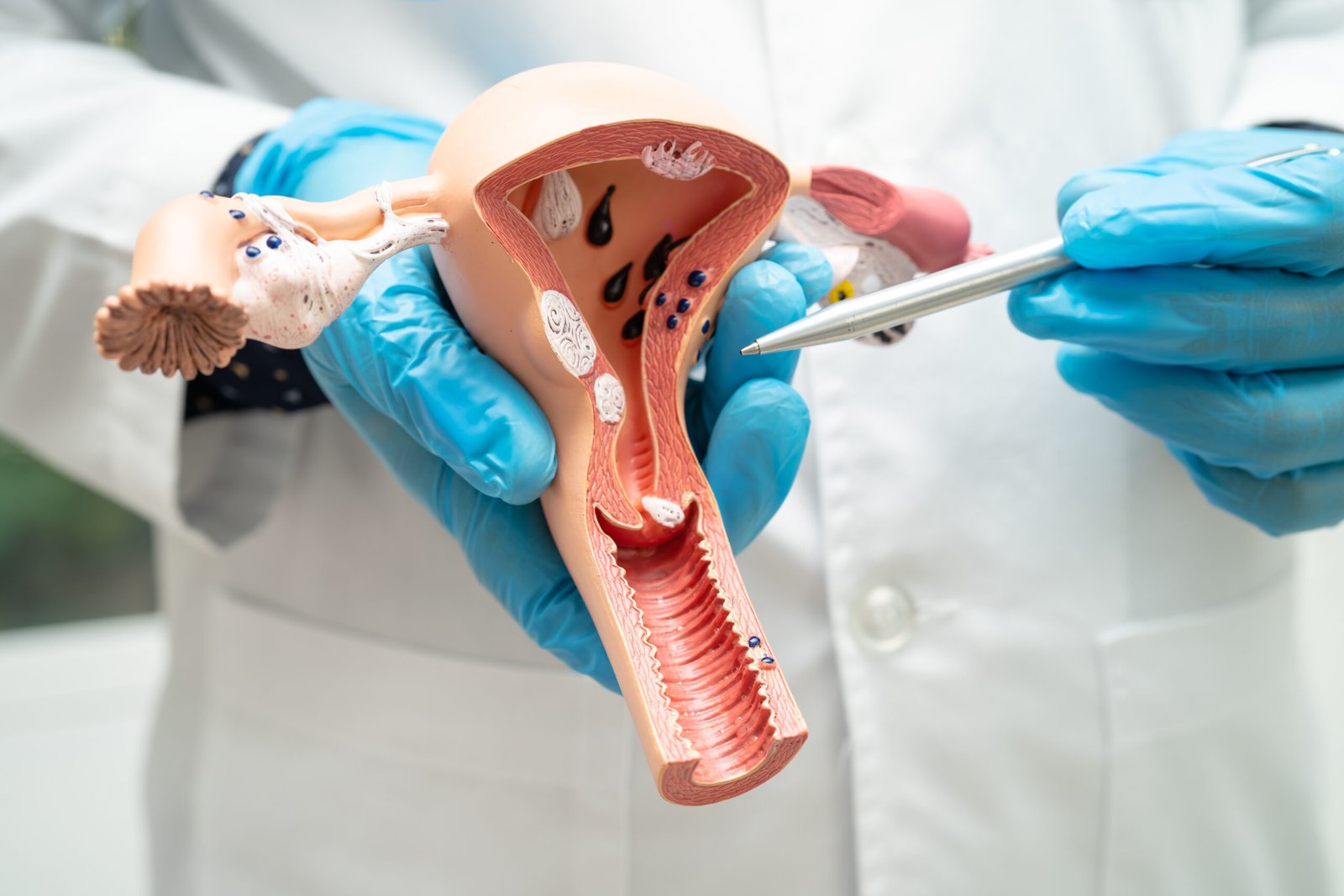
Endometrial ablation is a day procedure that treats heavy menstrual bleeding by removing or thinning the lining of the womb. It is an option when medicines have not helped and you do not wish for a future pregnancy. The goal is lighter periods or no periods, with a quick recovery and a clear follow-up plan.
Key points
- Best for heavy periods in those who have completed their family. It is not a birth control method, and pregnancy afterwards is unsafe; reliable contraception is essential.
- Not suitable in current pregnancy, suspected or known cancer of the womb, recent pelvic infection, very large fibroids, an irregular womb cavity, or if you strongly wish for future fertility.
- Different technologies are used, for example, heat, radiofrequency, fluid, or freezing. Your team will choose a method that suits your womb shape and medical needs.
- Many people have much lighter periods after ablation; some have no bleeding at all. A minority may need further treatment in the future.
- Cramping and a watery or blood-stained discharge are common for a few days. Most return to usual activities within one to three days.
Evaluation and treatment: what to expect
- We begin with your symptoms and goals, review your medical history and medicines, and check for causes of heavy bleeding such as fibroids, polyps, thyroid problems, and bleeding disorders.
- Tests are tailored, often including an ultrasound scan of the womb and ovaries, and an endometrial sample to exclude cancer or precancer if indicated.
- We discuss options, medicines, an intrauterine device with hormone, ablation, and hysterectomy, and agree on the choice that fits your plans.
- On the day you arrive, having followed fasting and medicine instructions. Anesthesia may be local, regional, or general; you will be comfortable.
- The cervix is gently opened if needed. A small device is placed into the womb, and the treatment lasts a few minutes. You may feel cramping.
- After the procedure, you rest for a short time. Pain relief and aftercare advice are given. You go home the same day with a contact number for concerns.
- A contraception plan is confirmed. Pregnancy after ablation can be risky for mother and baby; long-term contraception or sterilization is strongly advised.
Emergency State?
In urgent situations, contact immediately for help.

Available 24 Hours
+123-234-1234
Get Your Free Health Consultation or Book Your Appointment Now
When to seek urgent care
Go to the hospital or call emergency services now if you have heavy bleeding that soaks a pad in an hour or passes large clots, fever 38°C or higher, worsening lower belly pain not helped by medicines, foul-smelling discharge, fainting or dizziness, chest pain or shortness of breath, or shoulder tip pain with severe tummy pain.
Action plan
Keep a simple cycle diary for one to two months and note any medicines you have tried.
Complete recommended tests, ultrasound, and any sample of the lining if advised.
Return to gentle activity as you feel comfortable. Most return to work within a few days.
Use sanitary pads rather than tampons until discharge settles. Avoid intercourse and swimming until bleeding and discharge have stopped.
Arrange transport home and a support person for the first day. Plan simple pain relief, for example, paracetamol or ibuprofen if suitable for you.
Decide on reliable contraception before the procedure; options include implant, pill, partner vasectomy, or sterilization.
Arrange transport home and a support person for the first day. Plan simple pain relief, for example, paracetamol or ibuprofen if suitable for you.
FAQ -Endometrial Ablation
Frequently Asked Questions
These FAQs offer general information for patients. They do not replace medical advice. For urgent concerns, contact your local emergency number or visit the nearest emergency department.
Adults with heavy menstrual bleeding who have completed their family and have no signs of cancer or active infection. The womb cavity needs to be a suitable shape and size.
Many have much lighter bleeding. Some have no periods. A smaller group notices little change and may need further treatment later.
You may still ovulate, but pregnancy after ablation is unsafe and can be complicated. Use reliable contraception long-term.
A hormonal intrauterine device is an effective alternative to ablation for heavy bleeding. After ablation, insertion may be more difficult. Your clinician will help you choose the most reliable contraception.
Infection, bleeding, perforation of the womb, fluid or heat-related problems, depending on the method, and failure to control bleeding. Serious complications are uncommon.
Often, yes, when indicated. Sampling rules out cancer or precancer and supports safe planning.
The treatment part is usually a few minutes. Cramping like period pain is common for a day or two. A watery or blood-stained discharge can last up to two weeks.
Many feel ready within one to three days. Build up activity as you feel comfortable.
Wait until bleeding or discharge has stopped, usually within one to two weeks, or follow the advice you are given. Use pads at first to reduce infection risk.
Book a review. We may repeat tests, offer medicines, consider a repeat ablation, or discuss other options such as a hormonal device or hysterectomy.
It can help with small fibroids inside the cavity and with heavy bleeding, but results are less predictable when larger fibroids or adenomyosis are present. Other treatments may be better in those cases.
No. The ovaries continue to function as before. Ablation treats the lining of the womb only.
The device is usually removed before treatment. Your contraception plan will be arranged so you remain protected.
Ablation can make sampling the lining more challenging. If you have new bleeding after menopause or persistent symptoms, tests are still possible, and we will plan them carefully.
Antibiotics are not always required. Gentle showers are fine. Avoid internal products until discharge has settled.
You will have appropriate anesthesia and simple pain relief. Tell the team if you are uncomfortable, so adjustments can be made.
A check is usually arranged within six to eight weeks to review bleeding, recovery, and contraception. Further visits are planned if symptoms persist.